Before we begin to discuss EOE (eosinophilic esophagitis), let’s talk about the immune system and how it works. Most of us have a basic understanding of how our immune system works: If our body is exposed to an infective organism, parts of our immune system will recognize it as such and attack it, thereby repetitively weakening that organism until it dies. We can even include things like environmental allergens like pollen, heavy metals like lead, air-based toxins like mold, parasites, etc. Our body sees these things as problems and seeks to neutralize their effects on the body. We all understand this basic premise.
But what if our immune system reacts like this in response to certain foods as well?
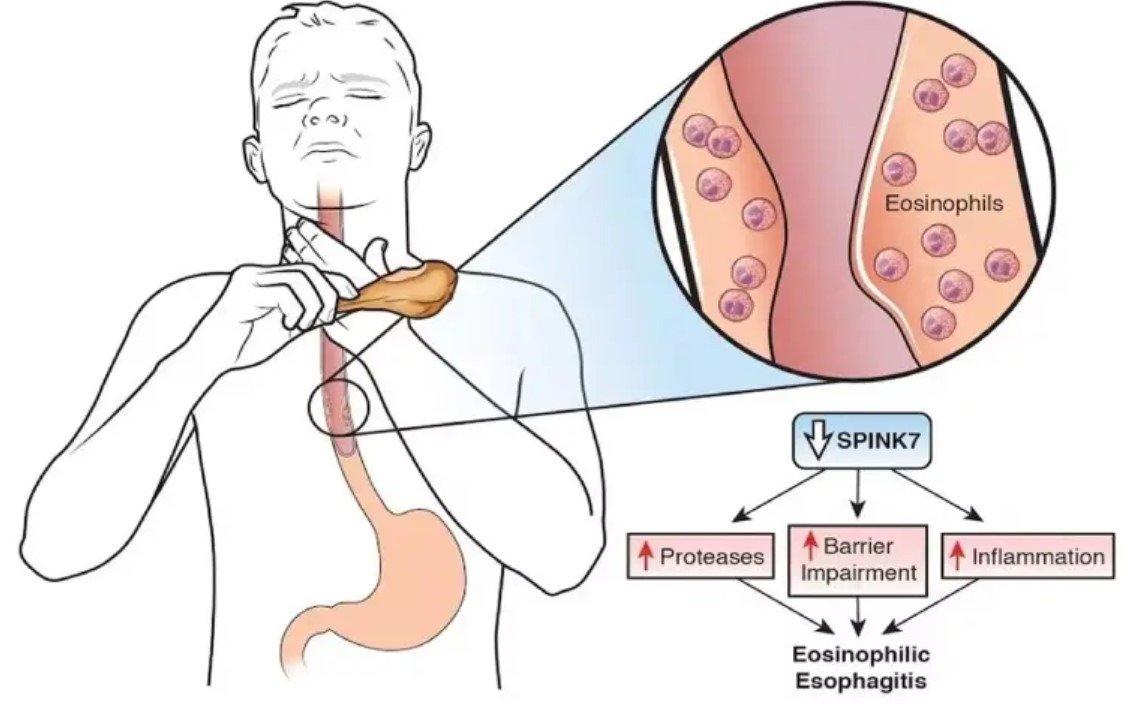
Here is where the word “Eosinophils” take center stage. Your eosinophils are a type of disease-fighting white blood cell that play a critical role in modulating allergic reactions to anything, including foods. So, when you eat a food that you are unable to properly digest and your body then sees it as a “foreign invader,” it is your eosinophils that respond. These cells literally MAKE inflammation to help drive the immune system to quick and swift action, directing traffic and pointing the right cells to the rig ht place - to defeat this “foreign invader.”
A peanut allergy is a clear-cut (and very aggressive) example of this. Someone is exposed to peanuts, even if it’s just inhaling peanut dust sometimes, and their immune system goes to Def-Con 1. The peanut is seen as a very dangerous foreign invader and the eosinophils jump into action, reacting with fury, and signaling other components of the immune system to unload their “nuclear” capabilities. If that person doesn’t get a dose of adrenaline from an epi-pen soon, death is likely.
Celiac disease is a lesser example of the same phenomenon. A person who is unable to properly digest gluten but consumes it on a regular basis, triggers their eosinophils in the gut to react in a similar but more subdued manner in which only some bloating, gas and maybe some diarrhea/constipation result. But over time, this repetitive insult results in permanent damage to the lining of the gut. And if this continues, this permanent damage gets a name: Crohn’s disease, Ulcerative colitis, they’re all the long-term end product of the body’s eosinophils reacting to a “foreign invader.”
Eosinophilic Esophagitis is the celiac disease of the esophagus. You eat foods that your body does not see as food or helpful nutrients, but rather as an infection, a problem. Your eosinophils rally the troops and begin the inflammatory process to attack and neutralize this problem while in the esophagus.. This might manifest as a sore throat, trouble swallowing, pressure in the chest and very often, heartburn.
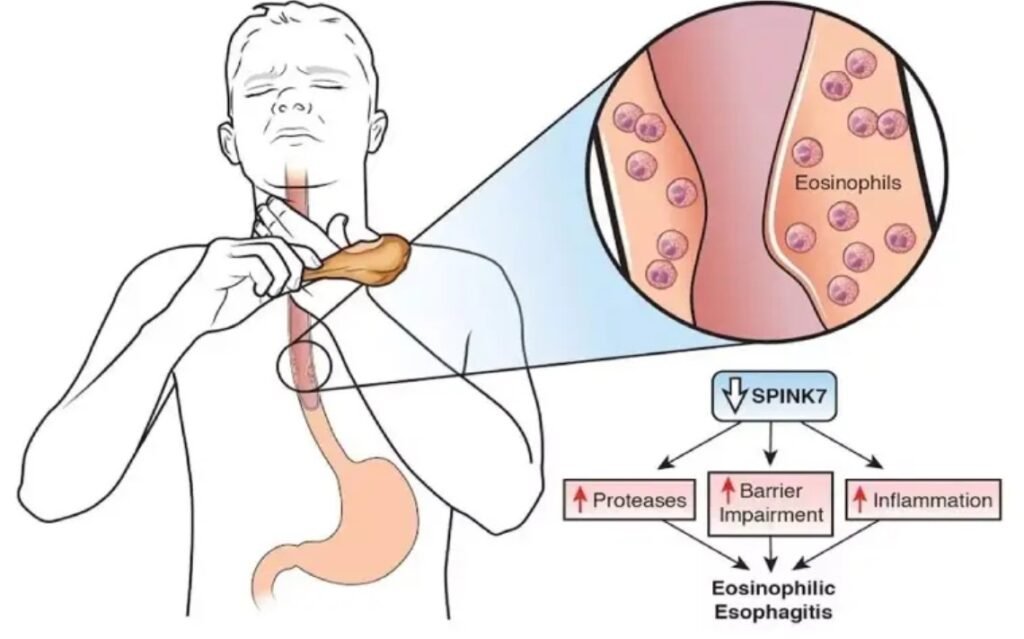
Heartburn is a pretty easy condition to diagnose, however EOE is never the first thing that is considered. A discussion about avoiding overeating, avoiding spicy foods and the use of antacids and/or temporary use of proton-pump inhibitor (PPIs) medications are always discussed. If the problem persists, the consistent use of PPIs are always recommended along adding in H2 blockers. But in the case of EOE, these are mere band-aids slapped onto a problem that continues to worsen.
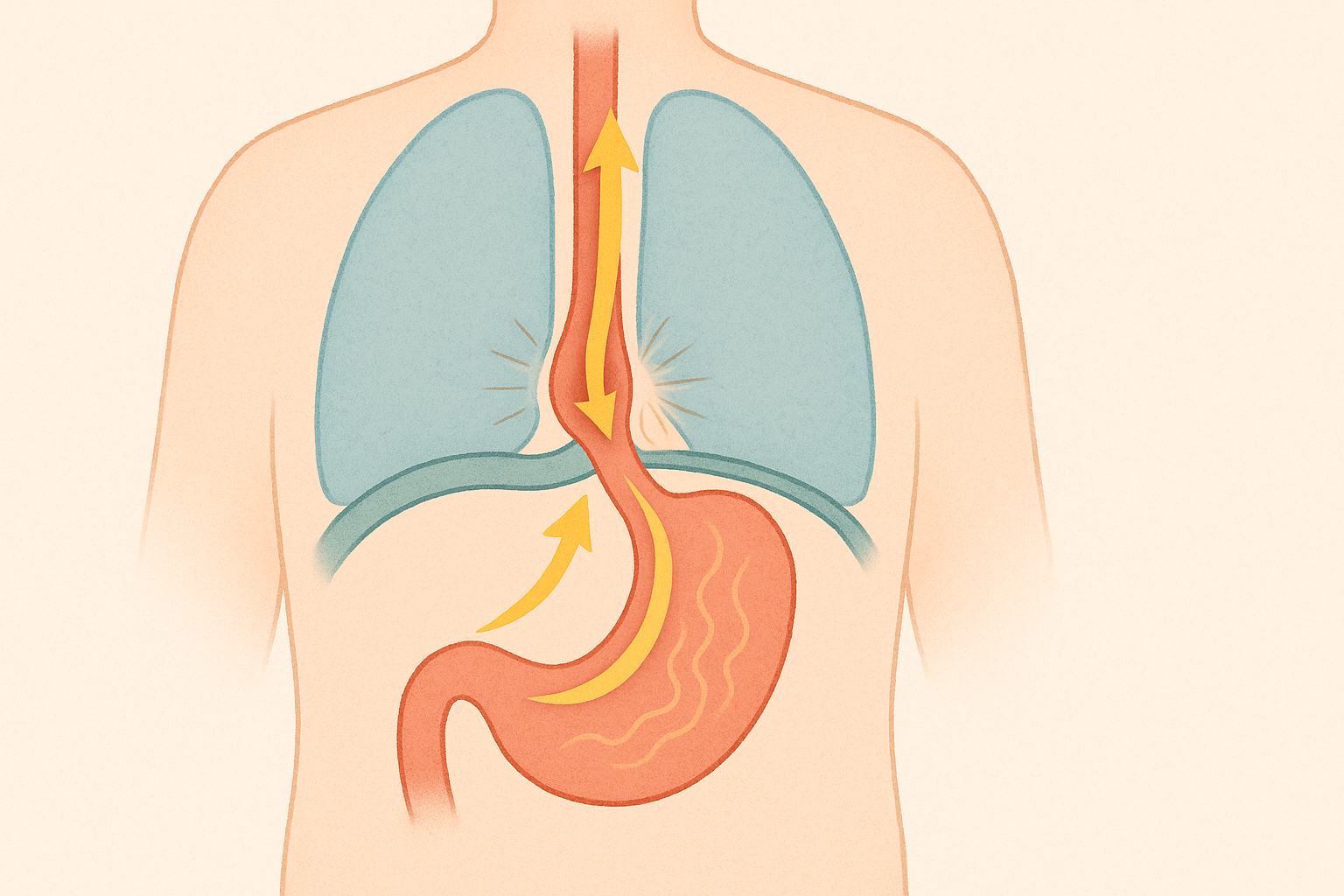
To fix EOE, you must avoid the food(s) that your body cannot digest and process properly. That is the solution. Without doing that, you are just masking the problem which can lead to some very significant disease processes, including cancer. Barrett’s esophagus is where acids from the stomach are bubbling up due to the inability of your stomach to digest that food and the excess acids burn the lower esophagus. Long-term burning of the esophagus can cause those cells to become damaged and even cancerous.
So how do you figure out what foods you are sensitive to? You start by doing your own detective work: maybe you already have an idea based on how you feel immediately after eating certain foods, maybe you just don’t feel right for a few hours after eating something, or maybe you notice a change in your bowel movements the next day after eating certain foods.
But here’s the kicker.
You can have an EOE-type reaction to a food that you have eaten several days, or even WEEKS after eating that food. There goes your Detective work.
So now what?
Your Doctor will send you for a blood draw and run an IgE food allergy test. This is the test that looks for the most aggressive type of food allergies, like peanuts or celiac disease like we spoke about earlier. This can be helpful for some but what if you have just a food sensitivity, not a full blown food allergy? The Doctor will look at your results, tell you that foods are not your issue and just stay on PPIs and/or H2 blocker medications your whole life.
This will solve nothing.
You’ll likely feel better with that band-aid for awhile but the it’s like slapping a coat of paint on a dilapidated, moldy house. It will give you a distorted sense that it’s improved but that’s only going to work for so long. Meanwhile you keep eating foods that you are sensitive to, causing more problems to your esophagus, stomach and your intestines. You can imagine where that’s going to take you - more problems, more “band-aid” medications, and likely surgeries that could have been avoided…..
If you had just been properly tested for food sensitivities to figure out what’s causing your EOE. This is where IgG food sensitivity testing can be very helpful!
Immunoglobulin G (IgG) is a different part of your immune system from IgE that can react to foods that you don’t digest or process properly. Eosinophils and Immunoglobulin G (IgG) have a complex, bidirectional relationship, often positively correlated in inflammatory conditions where IgG helps activate eosinophils, which in turn promote further inflammation. Elevated IgG levels can indicate increased disease activity and severity linked to high eosinophil counts.
Allergy doctors know the connection between IgG and eosinophils but because they are only looking at full-blown allergies with their bloodwork or skinprick testing (IgE), they discount the benefits of knowing IgG food sensitivities, and in my opinion, do the patient a dis-service at the same time.
The great news about this IgG testing is that:
- It can be done at home with a simple finger prick / blood drop
- Although it is not covered by insurance, it is relatively cheap (approx $300-$350).
- It tests for almost 200 foods, beverages, spices, etc.
- As part of our testing for our heartburn patients, we include this as part of our investigation.
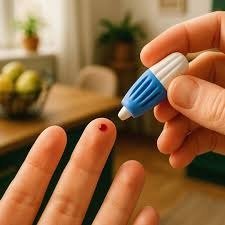
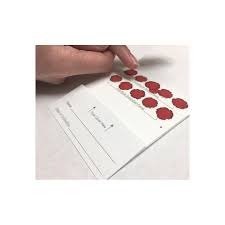
It is critical to figure out your own food sensitivities and get these out of your diet, especially if you have heartburn or EOE. If this type of financial cost is not doable for you at this time, then your next best option is to eliminate the following foods (elimination diet) for 60 days and see how you feel:
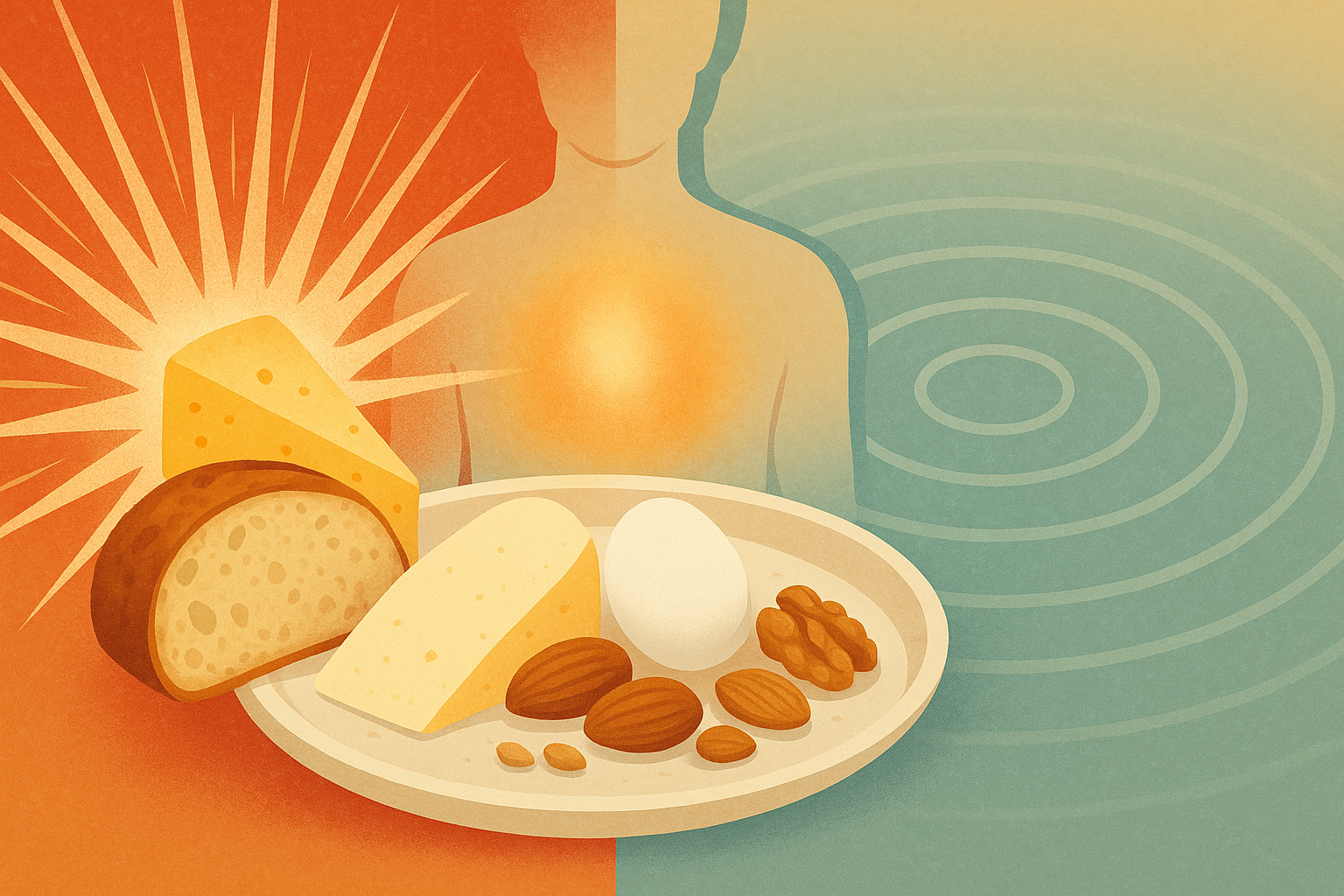
- Dairy
- Wheat/gluten
- Soy
- Eggs
- Nuts
- Seafood/shellfish
Obviously you should feel better if you avoid a food (or foods) that you’re sensitive to. EOE and heartburn symptoms should improve if not resolve completely. If that’s what happens, you need to avoid those foods. Period.
That’s how you solve EOE.
Don't suffer with EOE any longer. Let's find out if you have food sensitivities that are causing your problem, and stop masking the problem - let's finally solve it!
I offer a free, 15-30 minute phone call consultation (a Discovery Call) to determine if you're a good fit for my office and to have any of your questions answered. Click here to schedule your free call and start your journey to finally getting rid of your EOE!