Helicobacter pylori. Heard of it?
Most people haven't.
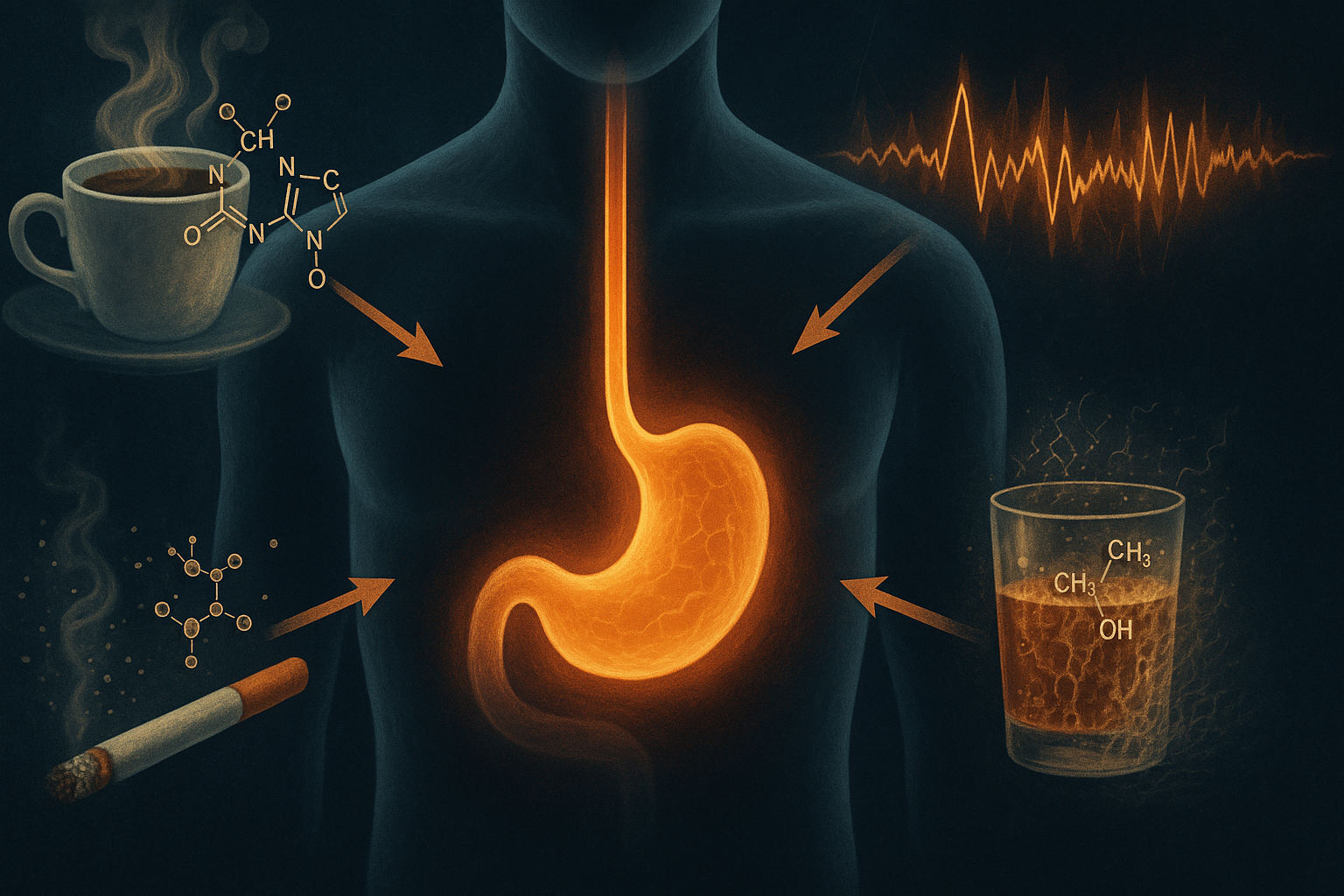
It is a bacteria - but not just any bacteria. It's probably 1 of the top 3 most damaging bacteria that humans have to deal with here in the U.S. It is widespread and it is complicit in a high percentage of patients with heartburn.
Here's why:
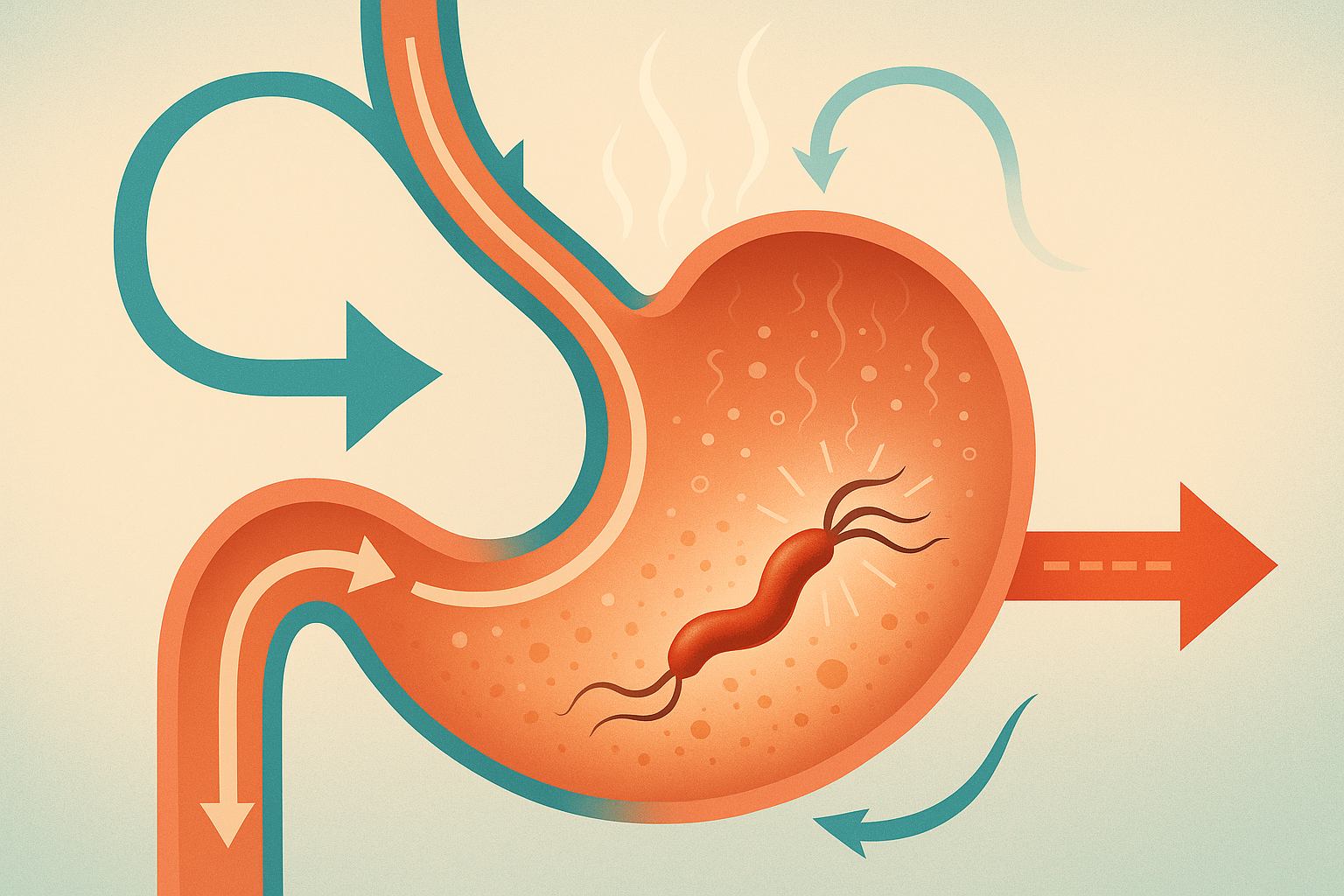
Helicobacter pylori, or H pylori for short, is a bacteria that gets into your stomach via contaminated food, beverages or saliva. It is a spirochete which means it has a spiral shape and once it's down in your stomach, it literally "screws" itself into your stomach wall.

Now your immune system, if functioning at 100%, will attack H pylori and get rid of it. But because it's able to dig down into your stomach wall, if your immune system is compromised in any way, you won't be able to get rid of it. It digs in like an Alabama tick.
Then this happens:
While dug into your stomach, H pylori starts to block your stomach acids from being released. So the next time you eat, your food sits in your stomach....and sits....and sits....
If you can't release your stomach acids, the food in your stomach begins to ferment and rot.
Yes, rot.
And rotting food makes stinky air. That's gas being released and that's exactly what happens in your stomach. Large build-ups of gas cause belching. Sound familiar?
That belching is just the beginning. See your stomach and small intestine are teammates and your stomach's job is to release enough acids to digest a high percentage of the food you just ate, BEFORE passing it onto the small intestine where enzymes and bile finish off the job.
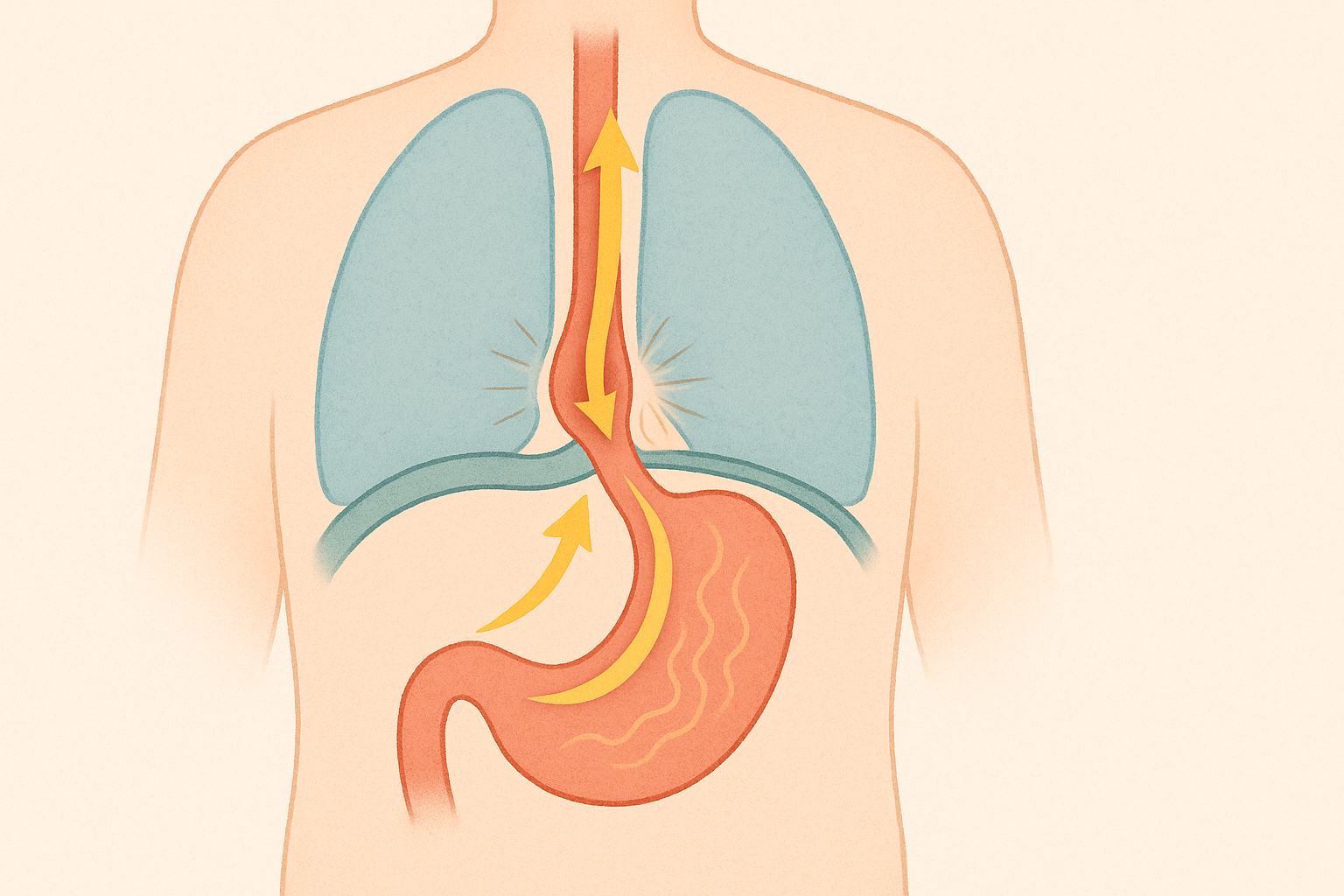
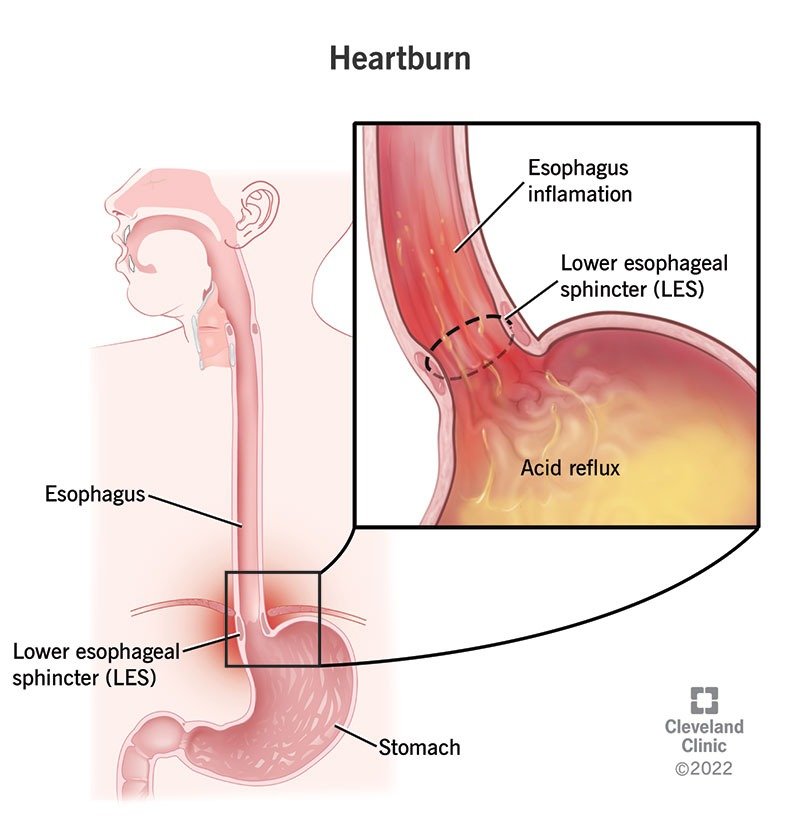
But if you can't make stomach acids, the stomach will just hold on to that rotting food causing more pressure to build in the stomach. Eventually that rotting food "sludge" just starts to go back the way it came - back up!
Boom. There's your heartburn.
Now the next step. You reach for some antacids like Tums, Rolaids, etc. This soothes the stomach and helps temporarily by "coating" this rotting food so less gas and pressure build.
But you may as well have slapped a band-aid on a major, bleeding wound. It's a temporary fix but not solving anything.
Enter your Doctor. After a short eval, a quick fix is levied in the form of a prescription for a stronger antacid and the most commonly prescribed medication in the United States:
Proton Pump Inhibitors (PPI).
The most common PPIs are pantoprazole or omeprazole. I bet you've heard of them. In fact my guess is you or someone you care about is taking one right now.
These are medications that act by significantly decreasing your stomach acids and therefore provide more relief than just a basic antacid.
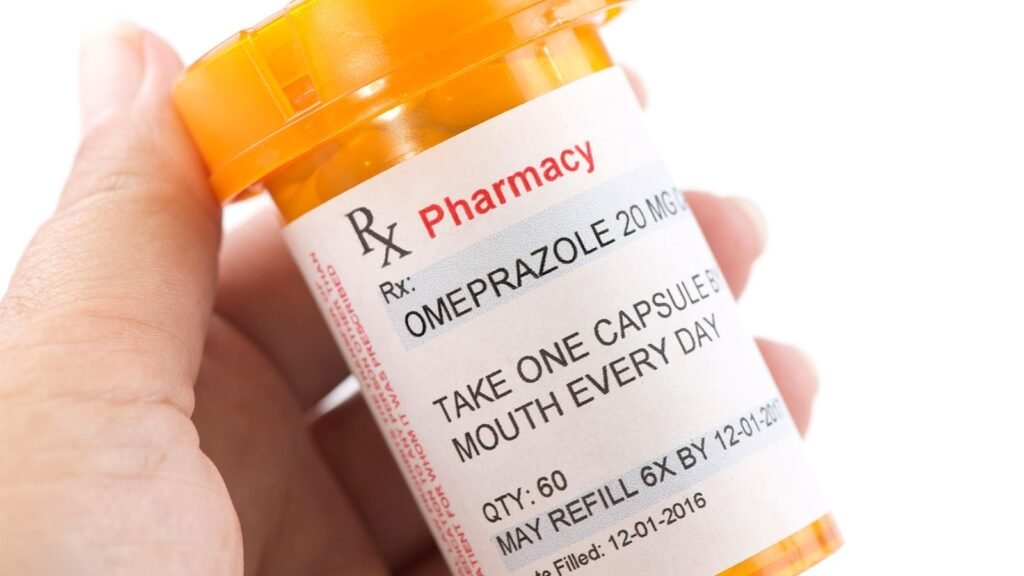
Your Doctor might also throw in an additional medication like an H2 blocker (Tagamet, Pepcid AC, Zantac) if you haven't done that already on your own.
But these do nothing to kill off H Pylori. Nothing.
Now for the real problem.....
You go back to your Doctor. You're better, as long as you take the PPI, but you've been on it for weeks, months even. You've tried stopping the meds but the heartburn comes back hard every time you do.
Am I going to have to stay on these medications forever?
Your Doctor will then refer you to a specialist, a GI Doctor, who will finally do an assessment for H pylori - known as an H Pylori breath test.
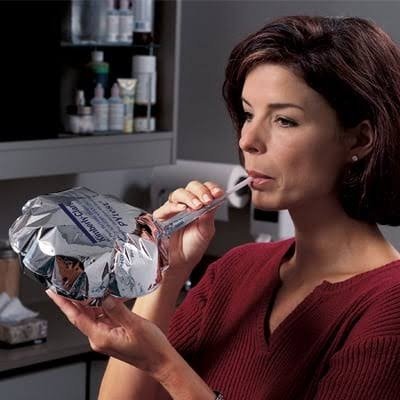
(By the way, it is a well known fact in Doctor circles that the H pylori breath test is one of the most inaccurate tests around because it gives more "false negatives" than actual accurate results. Literally it gives more wrong answers than right answers. But this test continues to be used because the insurance companies pay for it. That's it )
So your test results likely come back negative. The Doctor then sees that negative result and assumes that H pylori must not be the problem, right? You might also go through an endoscopy/colonoscopy but you can't see H Pylori on an endoscopy!
So as long as there is no major disease process seen on camera with the endoscopy, you're sent home with the same instructions your primary doctor gave you:
STAY ON YOUR PPIs.
That's it.
And my guess is you're likely in this predicament as you read this. Am I right?
So let me help you. Here's what you have to do:
You ever watch one of those detective/crime shows? There are dozens of them so I imagine you've seen at least one. What is the modern-day, universally applied technique that the main characters use at the crime scene to try and catch the perpetrator?
D. N. A. - They look for DNA evidence.
What if we become a detective and figure out if one of the perpetrators of your heartburn is H pylori, by running a DNA test?
There is such a test and it exists for just this purpose!

Our DNA testing uses PCR technology (Polymerase Chain Reaction) by assessing your stool. The Doctors at the lab use this technology to see if there is H pylori DNA in your stool and then you'll accurately know whether you have an H pylori infection or not.
Here's what else the test looks for: if you have an H pylori infection, has it developed resistance to antibiotics and specifically, which antibiotics?
This is very important because Doctors have been treating H pylori for decades with antibiotics. H pylori is a very smart organism and some of them have developed a resistance to certain antibiotics, literally using the medication as a fuel source.
So consider this:
You could have used antacids to treat your heartburn...
You could have gone to the Doctor and used the prescribed PPIs....
You could have gone to the GI Doc and actually gotten a positive H pylori test ...
And you could have taken the antibiotics the GI Doctor prescribed to treat H pylori.....
And you could still have heartburn....because they don't know which ones to use!
You have to know which antibiotics will work for the type of H pylori infection you have - then you've solved the problem for good!
Read what this patient has to say:
"I started developing heartburn about 2 years ago. It started with certain types of foods so I just figured that that was the cause. Changed up my diet and it helped temporarily. Then the heartburn became consistent no matter what I ate. Went to the doctor. I was told to take omeprazole 20 mg twice a day. It helped for a bit but then the problem came back. My medication was doubled to 40 mg twice a day and I was also told to take Pepto-Bismol at the same time. This helped by dropping my 6-7 heartburn pain down to 3-4 on a 10 scale but it didn't go away. And depending on what I ate, it would jump up to a 9. Painful cramping and then constipation would ensue. I was referred to the GI doctor and an H pylori breath test was run. Results were negative. An endoscopy didn't show anything and a colonoscopy showed a couple of small hemorrhoids. The GI doctor just said I had to learn to live with it and continue to take PPI medication going forward. That's how I ended up seeing Dr. Bradshaw. After running a stool test and a saliva test, I found out that I had H pylori and that gluten/dairy sensitivities and high stress were also contributing to the problem. But once we figured this out, we got it treated with the right antibiotics and a couple of supplements and I've now been heartburn-free for 8 months! I can't thank Dr. Bradshaw enough." - Peter M, North Carolina

Don't suffer with heartburn any longer. Let's find out if you have H pylori (or anything else that can cause heartburn) and stop masking the problem - let's finally solve it!
I offer a free, 15-30 minute phone call consultation (a Discovery Call) to determine if you're a good fit for my office and to have any of your questions answered. Click here to schedule your free call and start your journey to finally getting rid of your heartburn!