When it comes to heartburn, there are 2 things that are out of your control when it comes to developing this condition:
- Genetics - about 30% of GERD cases are caused by genetic anomalies such as weakness in the lower esophageal sphincter which can lead to a hiatal hernia and or esophagitis (Barrett’s)
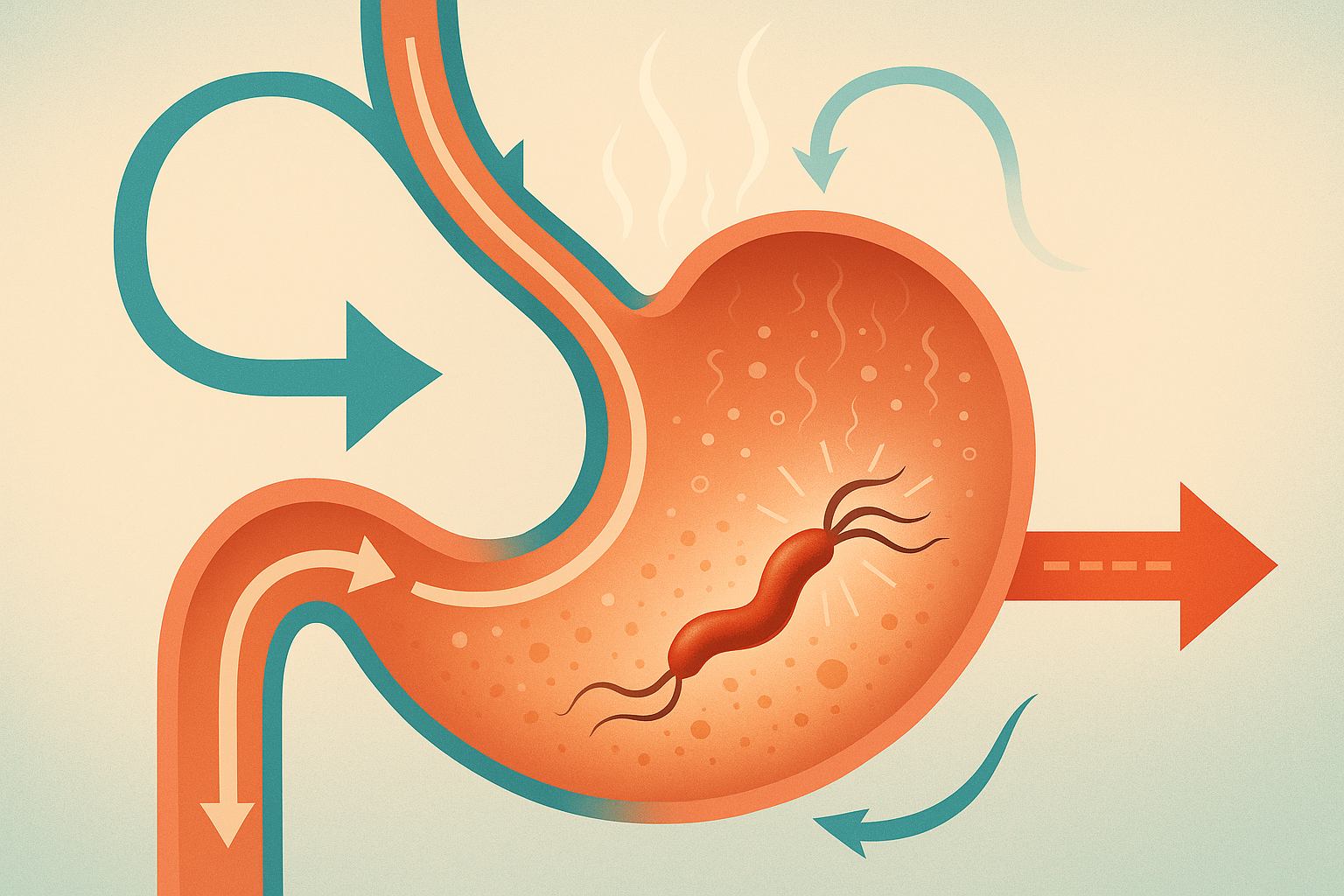
- Infection w/ H. Pylori bacteria
- And by the way, you can treat H pylori by the way of proper medications
But for the rest of us, heartburn is a self-inflicted, diet and/or lifestyle problem.
Yes, you’re doing it to yourself!
So let’s go through the different causes of self-inflicted heartburn:
Cause # 1: How Your Stress Becomes Your Heartburn
When you perceive a threat or high-pressure situation, your nervous system triggers the "fight or flight" response.
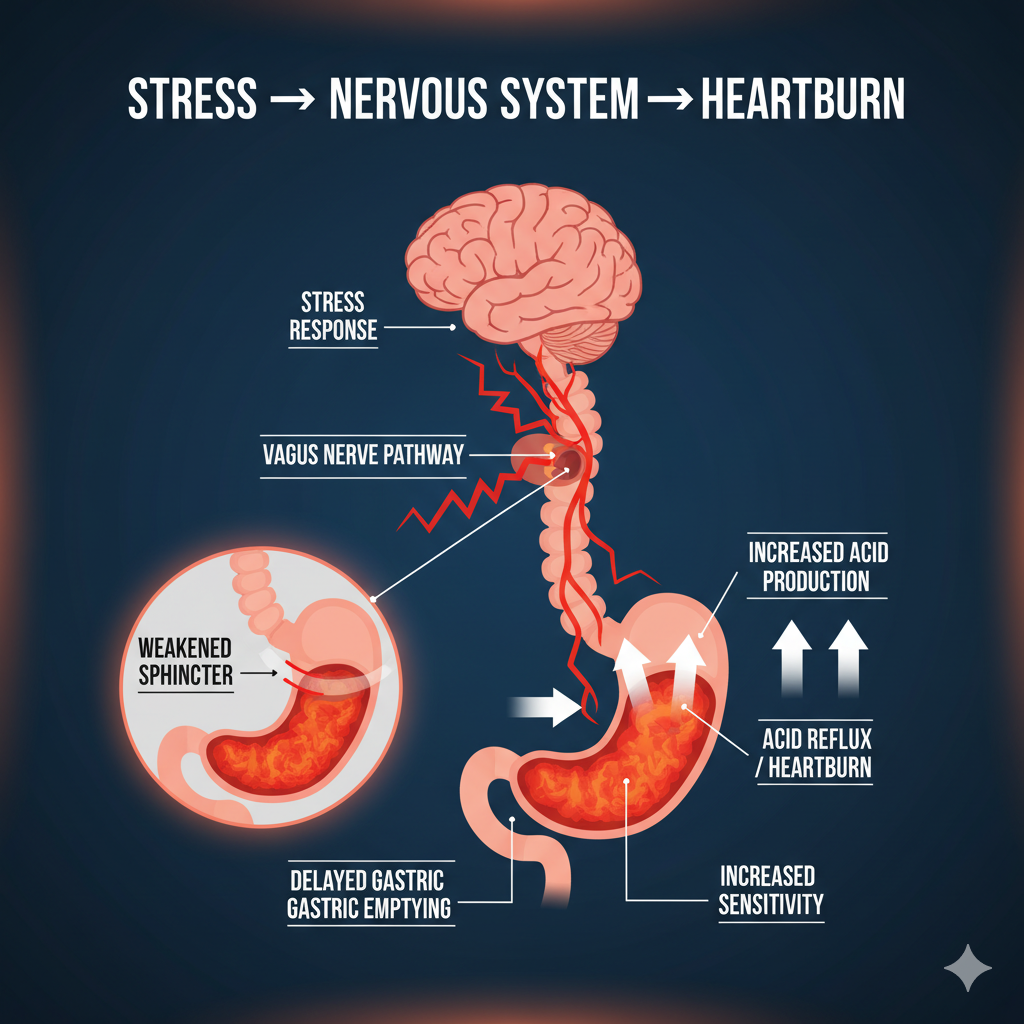
This causes several physical malfunctions in your digestive tract:
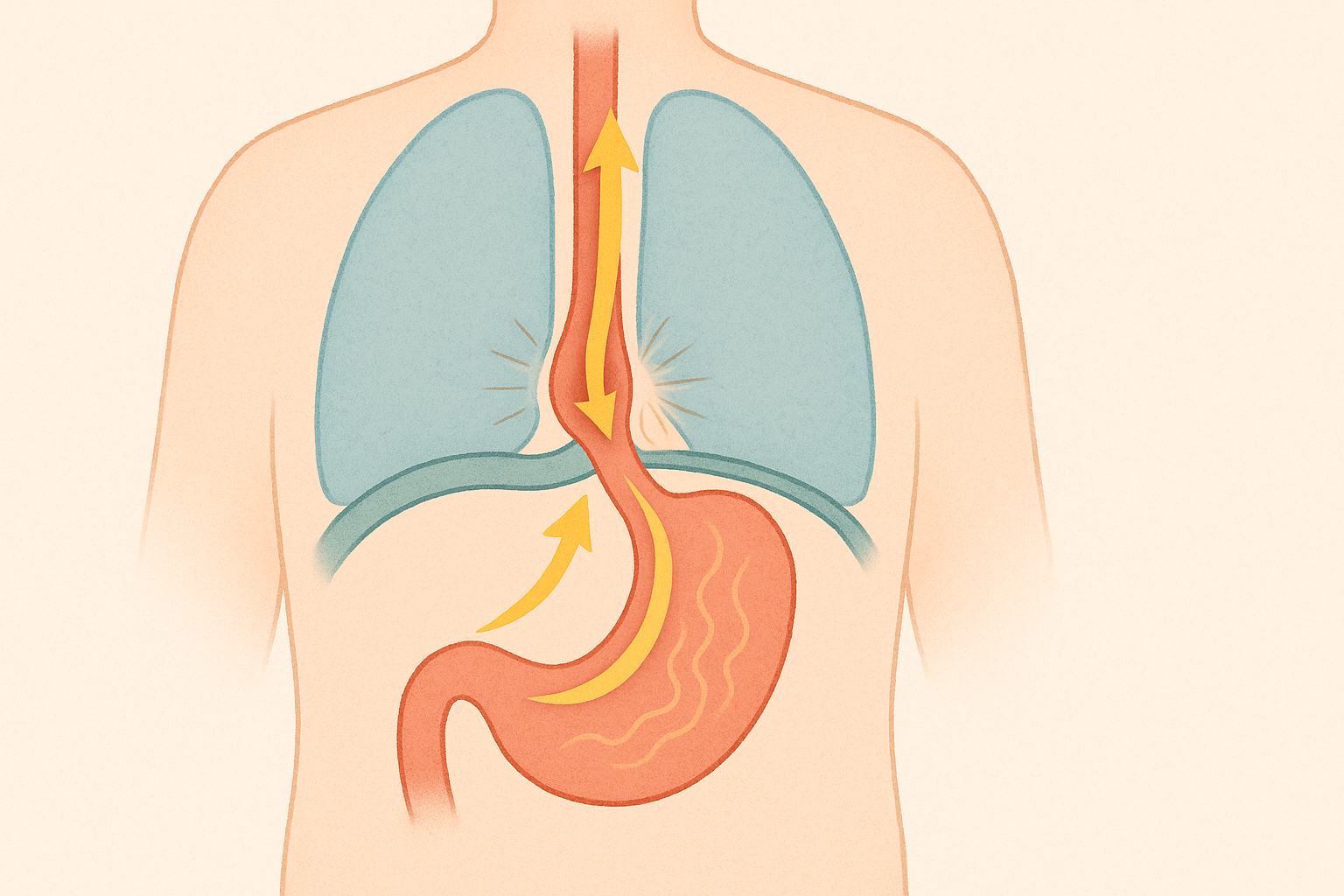
- Weakening the Valve: Stress can cause the lower esophageal sphincter (LES)—the muscle that acts as a trapdoor between your stomach and throat—to relax or spasm. When this valve fails to stay tightly shut, acid escapes upward.
- Increased Sensitivity: Stress often leads to visceral hypersensitivity. This means your brain actually "turns up the volume" on pain signals. Even a normal amount of stomach acid can feel like a burning fire because your nerves are in a state of high alert.
- Stomach Pressure: You likely carry tension in your abdominal muscles when you're stressed. This physical "squeezing" increases pressure on your stomach, physically forcing its contents back up into the esophagus.
- Reduced Protection: Stress can lower the production of prostaglandins, which are the natural chemicals that protect your stomach lining from its own acid. Without this shield, your tissue becomes more prone to inflammation and slower to heal.
Essentially, when you're under pressure, your body isn’t just "feeling" stressed—it’s physically redirecting its resources. This internal shift creates a direct path for stomach acid to irritate your esophagus => heartburn!
Cause # 2: The Nutritional Triggers of Reflux
Every time you reach for that greasy bag of takeout or a sugary soda, you aren't just making a poor dietary choice—you are launching a direct chemical assault on your own internal organs. In the case of heartburn, your esophagus is under siege and the primary culprit is the nutrition you are providing.
By ignoring the quality of your fuel, you are essentially bathing your sensitive esophageal tissues in corrosive gastric acid, leading to a state of chronic inflammation that your body cannot keep up with.
This isn't just about a fleeting "burning" sensation; it is about the structural integrity of your digestive tract being systematically compromised by the very substances you choose to ingest.
Poor nutrition forces your lower esophageal sphincter (LES) to fail. High-fat, processed meals act like a chemical "off switch" for this vital valve, leaving the gateway between your stomach and throat wide open for caustic fluids to rise.
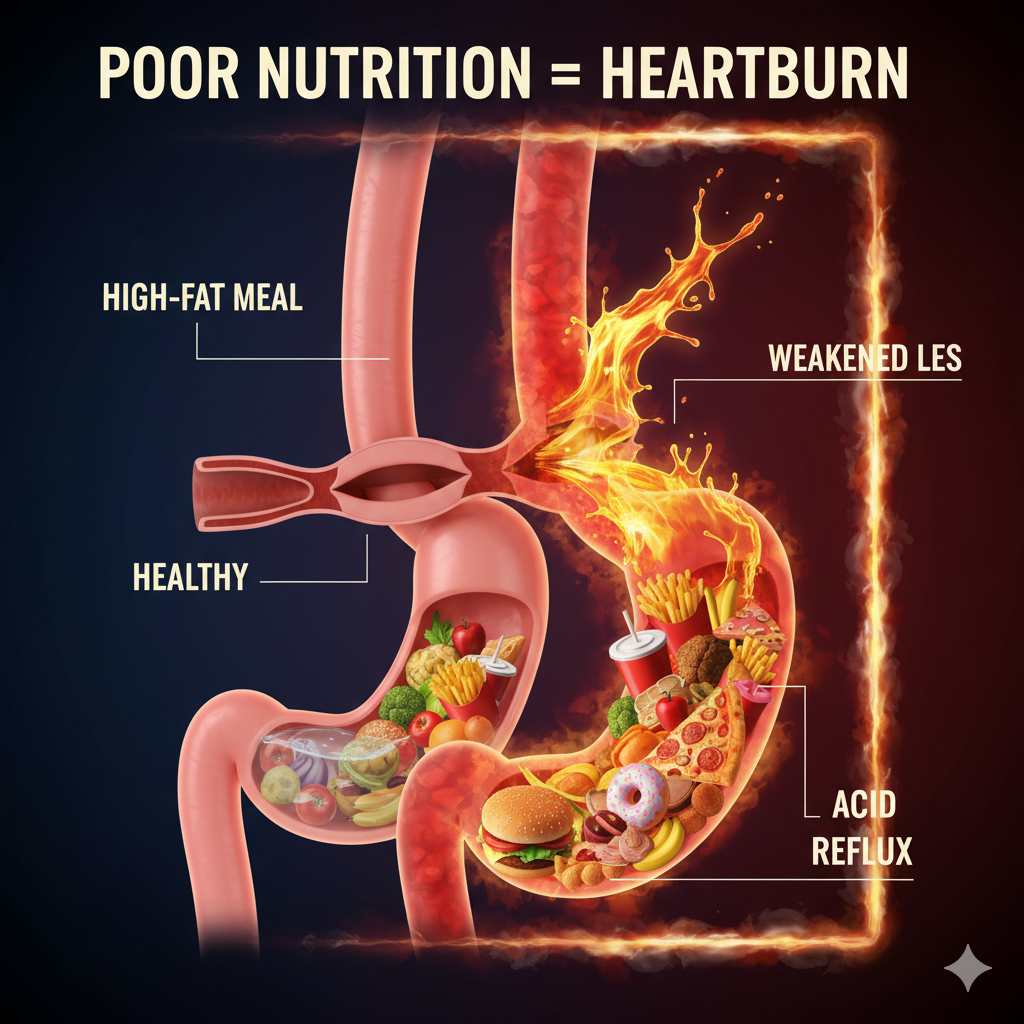
Furthermore, by flooding your system with refined sugars and lacking the critical fiber found in whole foods, you are creating a high-pressure environment in your gut. This internal pressure acts like a piston, physically shoving stomach acid upward into areas where it simply does not belong.
When you continue to prioritize convenience over nutrients, you are facilitating a cycle of tissue damage that can lead to permanent scarring or even cellular changes.
The alarm bells are ringing, and your body is using that "heartburn" pain as a desperate warning signal. If you do not pivot toward high-fiber, low-acid, and nutrient-dense whole foods, the damage may become irreversible.
Cause #3: The Mechanics of the Burn - How Your Caffeine Intake Triggers Heartburn
High caffeine intake (coffee, tea, chocolate) is a notorious catalyst for heartburn because it directly interferes with the physical barriers that keep stomach acid where it belongs. Let’s dig into that a bit more…..
The primary culprit is the Lower Esophageal Sphincter (LES), a ring of muscle at the base of your throat that acts as a one-way valve. Under normal conditions, this "gatekeeper" stays tightly shut to prevent gastric juices from splashing upward.
However, caffeine acts as a potent muscle relaxant. When you consume high doses, it signals the LES to soften and relax, essentially leaving the door to your esophagus propped open and allowing caustic acid to seep into your chest cavity.

Beyond just relaxing your internal valves, caffeine acts as a double whammy - becoming a chemical "green light" for your stomach’s acid-producing glands. It stimulates the release of gastrin, a hormone that tells your stomach to ramp up the production of hydrochloric acid. When you have an abundance of caffeine in your system, your stomach becomes an overactive reservoir of acid.
So you when you consume caffeine, this combination of increased production and decreased containment is the perfect recipe for the searing pain and sour taste you recognize as heartburn. Essentially your stomach becomes a boiling pot of acid with no lid to keep it down!
If you haven't eaten recently, this surplus acid has no food to break down, leaving it to sit against the stomach lining or, more likely, reflux upward through that relaxed LES.
Oh, one more thing on that note:
If your source is coffee, you aren't just dealing with the caffeine molecule; you are also consuming several acidic compounds—such as chlorogenic acid—that are inherent to the bean. These acids can further irritate the sensitive lining of your esophagus upon contact. Furthermore, if you consume high-caffeine beverages quickly or on an empty stomach, you’re hitting your digestive system with a concentrated "acid bomb" without any buffer. This creates a high-pressure environment in your stomach that physically forces liquid back up the esophagus, leading to chronic inflammation over time.
Cause #4: The Chemical Invasion - How Toxins Overwhelm Your Digestive Defenses
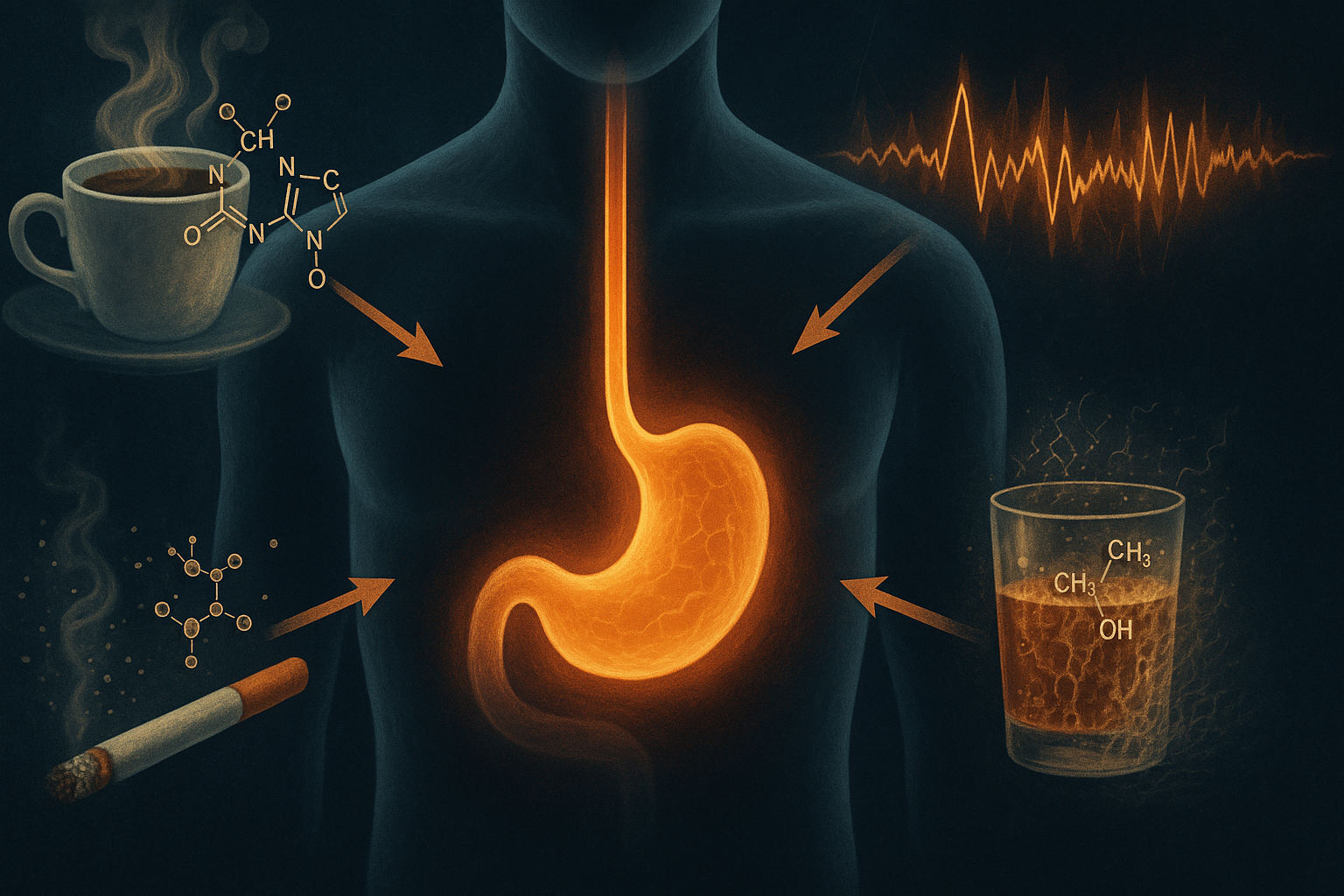
When you introduce toxins like nicotine, alcohol, and heavy metals into your body, you aren't just affecting your lungs or liver; you are directly disrupting the delicate chemical and mechanical balance of your digestive tract. Heartburn occurs when the acidic contents of your stomach reflux into your esophagus, and these substances act as "trips" that disable your body's natural barricades.
Nicotine is perhaps the most immediate offender; when you inhale it, the chemical relaxes the Lower Esophageal Sphincter (LES)—the muscular ring that acts as a one-way valve at the base of your throat. By weakening this "gatekeeper," nicotine essentially leaves the door to your esophagus propped open, allowing caustic stomach acid to splash upward and burn the sensitive esophageal lining.

Alcohol compounds this damage by acting as both a muscle relaxant and a direct irritant. When you drink, the alcohol further sedates the LES, but it also triggers your stomach to produce an excess of gastric acid. This creates a volatile environment where you have more acid than necessary and a weakened valve to contain it. Furthermore, alcohol can strip away the protective mucus lining of your esophagus, making the tissue significantly more vulnerable to the acid that does escape. This "double-hit" of increased production and decreased protection is why you might feel a lingering, raw sensation in your chest after a night of heavy drinking or poor sleep.
Heavy metals and environmental toxins, such as lead, mercury, or pesticides, take a more insidious route to causing your discomfort. These toxins can interfere with your vagus nerve, the primary communication highway between your brain and your gut. When this nerve signaling is disrupted, your stomach’s motility—the rhythmic contractions that push food downward—slows significantly. This results in "gastric stasis," where food and acid sit in your stomach for far too long, building up pressure that eventually forces the LES open. Over time, these environmental pollutants can also trigger systemic inflammation, making your entire digestive tract hypersensitive to even normal levels of stomach acid.
Now, there the good news:
The great thing about looking at these various causes of heartburn, is you can clearly see these are within your control in terms of reducing and/or eliminating them from your daily routine!
If you are reading this and you are doing any of the above: drinking coffee, living a high stress lifestyle, smoking, eating a poor diet, etc, then it’s time to look in the mirror and ask the tough questions.
But it’s very likely that some of you reading this, have made the following changes:
- Reduce stress
- Eat healthier, nutritious foods
- Stop drinking
- Eat organic foods
- Stop smoking/vaping
- Had old, silver, amalgams (mercury dental fillings) taken out of mouth
And you are still struggling with heartburn.
That’s where I come in!
For those of you in that boat, it’s time to go through my heartburn evaluation. Don't suffer with heartburn any longer. Let's find out what else might be causing your problem, and stop masking the problem - let's finally solve it!
I offer a free, 15-30 minute phone call consultation (a Discovery Call) to determine if you're a good fit for my office and to have any of your questions answered. Click here to schedule your free call and start your journey to finally getting rid of your heartburn!